Property Holdings
Explore how commercial property holdings can support long-term value when guided by planning, operational quality, and market awareness.
Norm Ebenstein Commercial Real Estate
Commercial Real Estate Holdings
Modern insight into Norm Ebenstein Commercial Real Estate, property holdings, asset strategy, and long-term commercial property value.
Norman Ebenstein Holdings is an informational website focused on commercial real estate holdings, property ownership, asset strategy, and the long-term perspective connected with Norm Ebenstein’s real estate work.

Overview
Commercial real estate holdings require more than ownership. They depend on planning, market awareness, property management, tenant needs, and a clear strategy for long-term value.
Explore how commercial property holdings can support long-term value when guided by planning, operational quality, and market awareness.
Learn how location, tenant demand, asset positioning, and responsible management influence commercial property performance.
Understand why patient ownership and consistent property oversight are important in commercial real estate.



Commercial Real Estate Leadership
Norman Ebenstein is associated with commercial real estate, property ownership, and long-term real estate strategy. Norman Ebenstein Holdings presents an informational look at the principles behind commercial property holdings, asset management, and responsible real estate ownership.
Principles
Evaluating how access, visibility, market demand, and surrounding development influence commercial real estate performance.
Understanding how each property fits into a broader holdings strategy and long-term ownership plan.
Supporting property performance through maintenance, tenant awareness, and responsible management.
Recognizing trends, timing, and local business conditions that can affect commercial property value.
Perspective
Commercial real estate holdings are shaped by strategic ownership, property insight, and a long-term approach to asset value.
Commercial property ownership guided by planning, patience, and market understanding.
A focus on real estate assets that can support tenants, businesses, and community activity.
Commercial real estate value is often built over time through consistency, management, and informed decisions.
Insights
Explore practical articles on commercial real estate holdings, asset strategy, property ownership, market trends, and long-term value.
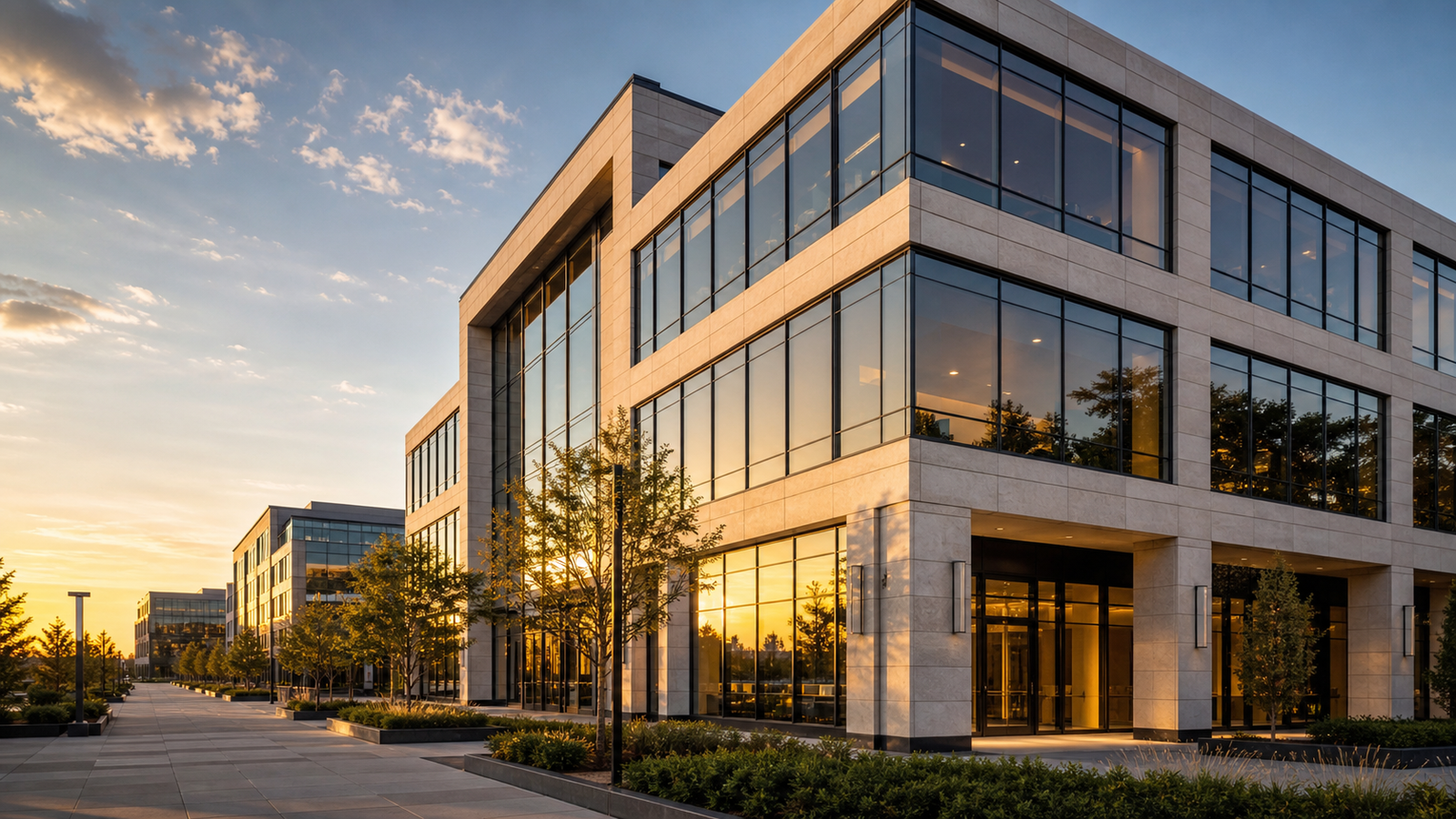
Long-Term Value
Learn how commercial real estate holdings can build value through location, planning, management, and long-term ownership strategy.
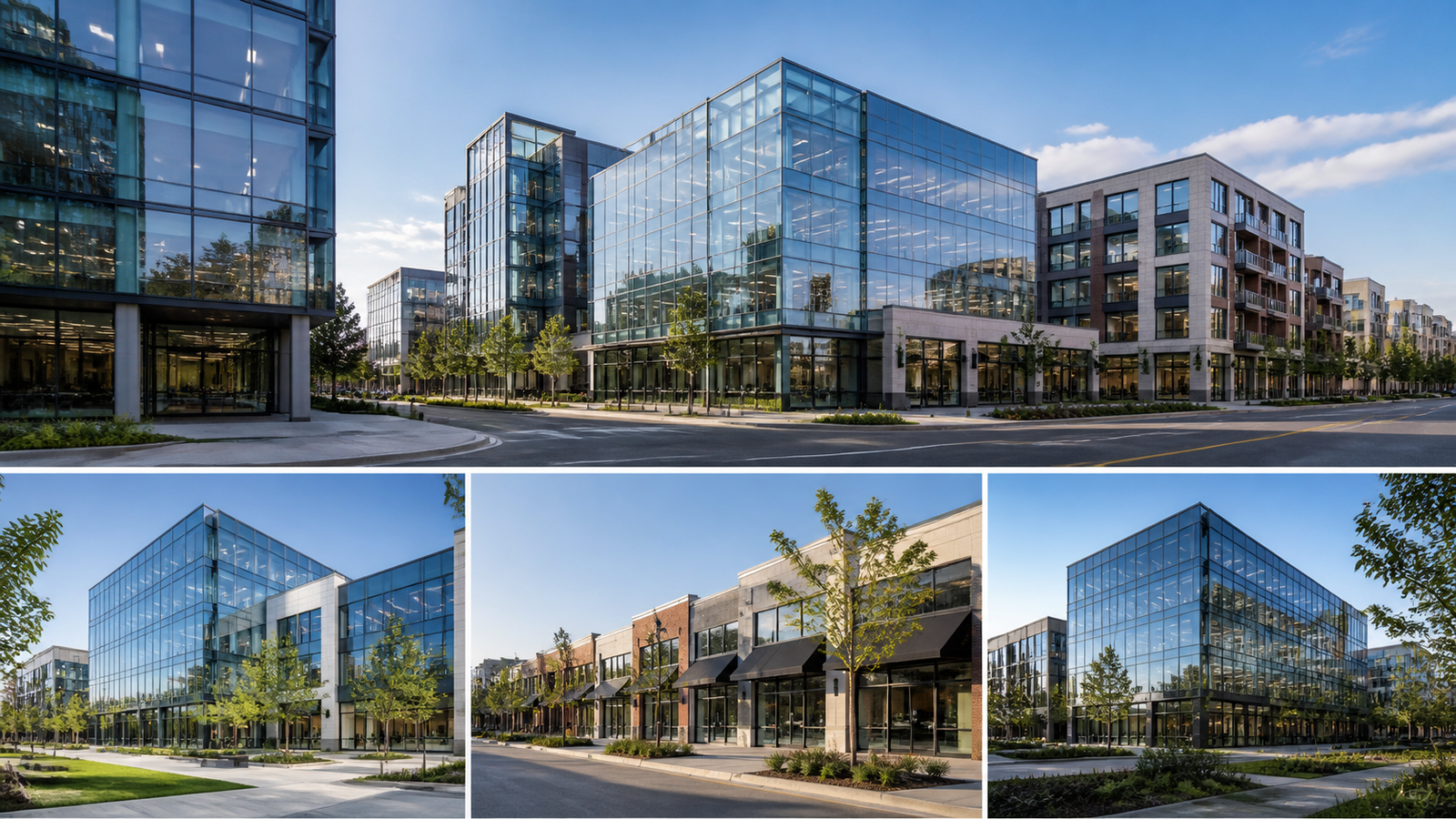
Property Holdings
Explore how property holdings can support commercial real estate strategy through asset positioning, tenant demand, and market awareness.
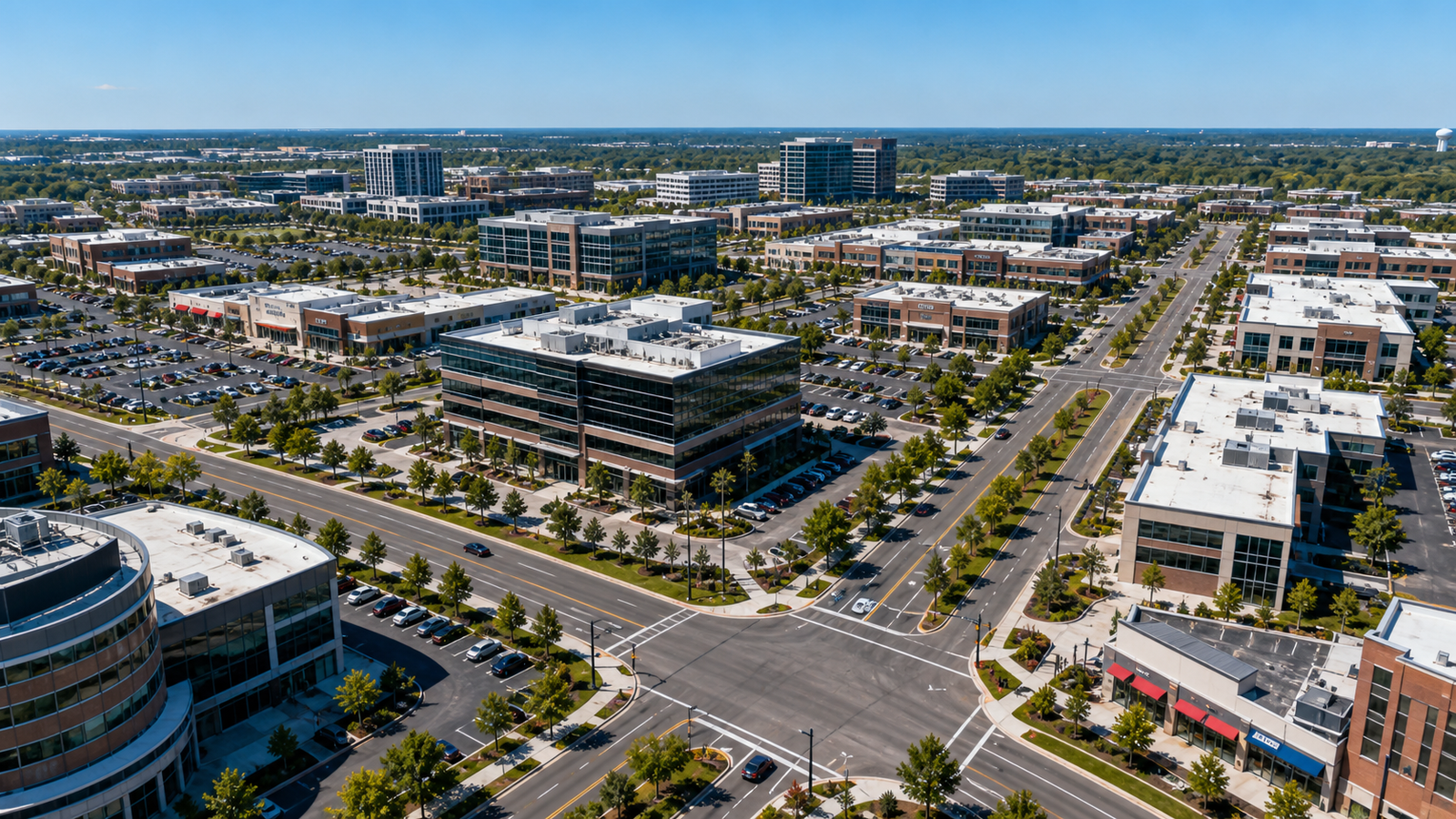
Location Strategy
Location can shape access, visibility, tenant demand, and long-term performance in commercial property ownership.
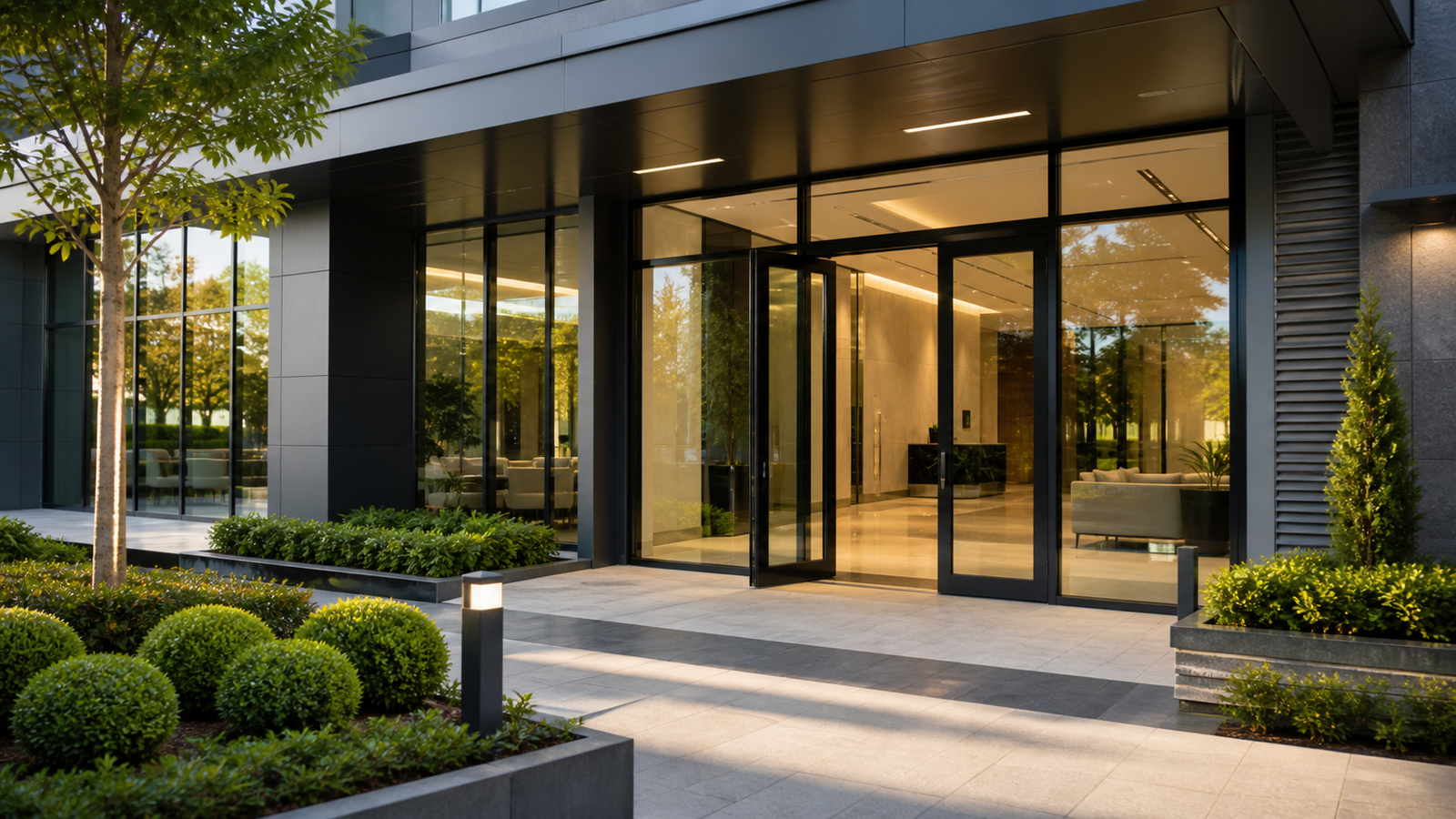
Asset Management
Strong asset management helps protect property value, support tenants, and improve long-term commercial real estate performance.
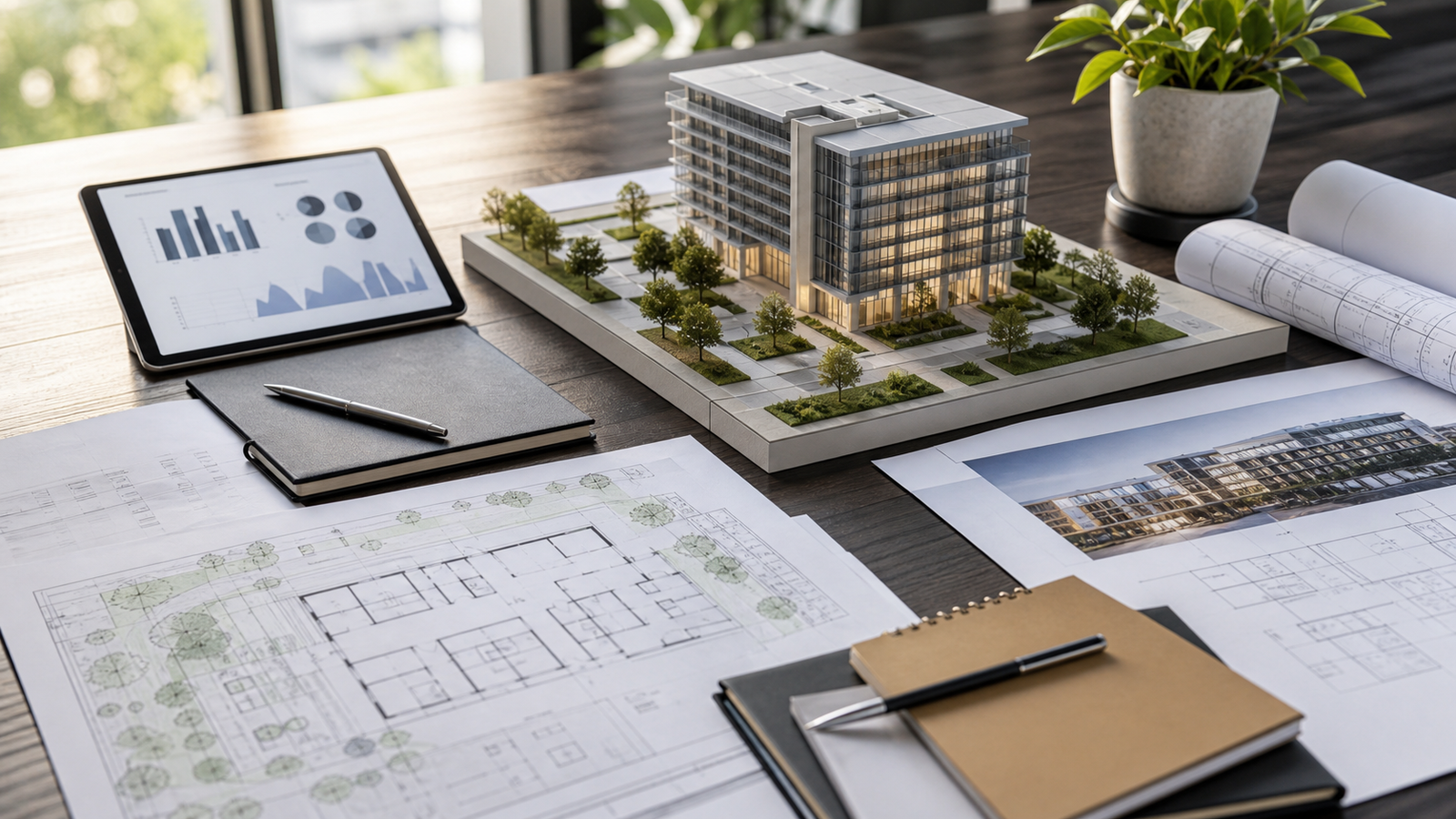
Real Estate Planning
Ownership is only one part of commercial real estate. Asset management requires planning, oversight, and performance awareness.
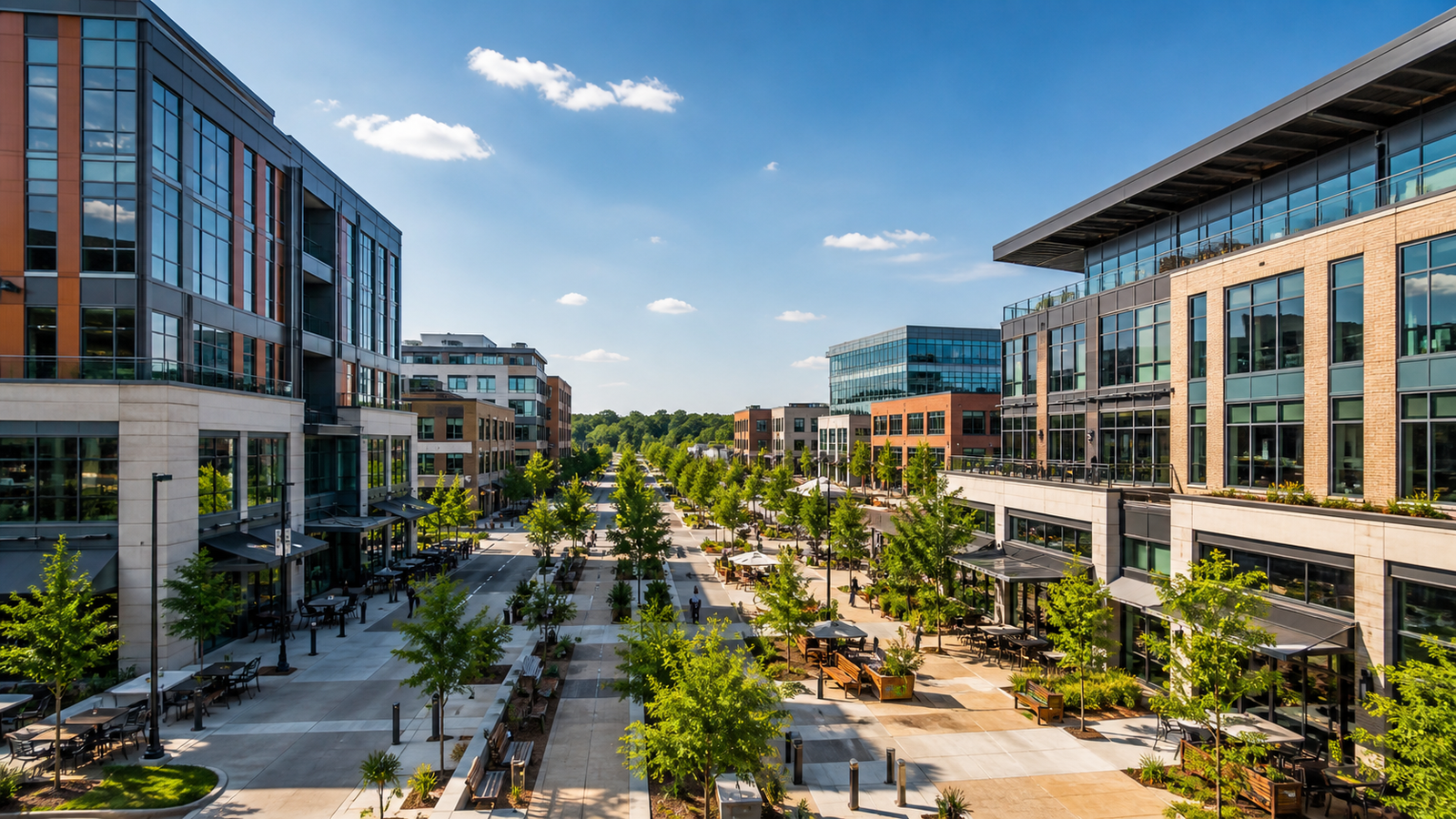
Market Trends
Changing tenant needs, business corridors, mixed-use areas, and local growth can influence commercial real estate holdings.

Commercial Strategy
Tenant needs influence leasing stability, property improvements, operational decisions, and long-term commercial property value.
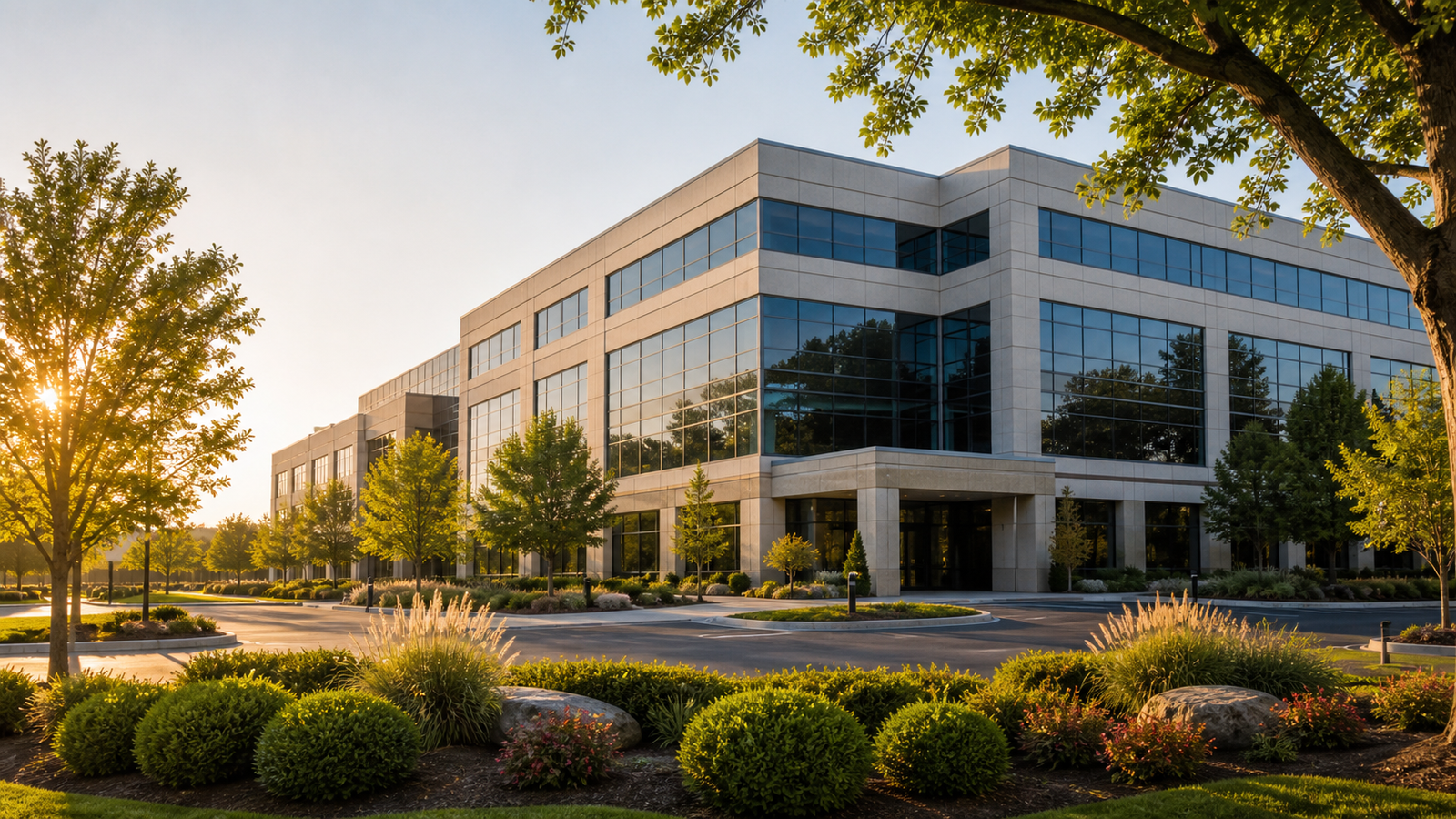
Long-Term Strategy
Patient planning and consistent oversight can help commercial real estate holdings remain resilient across changing markets.

Community Growth
Thoughtful commercial property ownership can support local businesses, improve access, and contribute to stronger communities.
FAQ
Responsible commercial property ownership is one of the most important forces behind long-term real estate value. A commercial building is not only a financial asset or a physical structure. It is a place where businesses operate, employees arrive, customers visit, vendors coordinate service, and neighborhoods form patterns of daily activity. Because commercial property touches so many practical needs, ownership quality can influence far more than rent collection. It can shape tenant stability, maintenance discipline, business confidence, and the future usefulness of the asset.
For readers exploring Norman Ebenstein Holdings, Norm Ebenstein Commercial Real Estate, and the broader subject of commercial real estate holdings, this idea is central. Long-term property value is rarely created by ownership alone. It is created through repeated decisions about location, tenant fit, building condition, market timing, capital planning, and operational standards. The strongest commercial property owners tend to think beyond the immediate lease or the next repair bill. They ask how today’s choices affect the asset’s usefulness several years from now.
Stewardship means treating a property as something that must be understood, maintained, and positioned with care. In commercial real estate, stewardship is not sentimental. It is practical. A building with clean common areas, reliable systems, clear access, good lighting, and responsive management is easier for tenants to trust. A property that feels neglected can create doubt even before a prospective tenant reviews the lease terms. That doubt can reduce demand, lengthen vacancies, and weaken negotiating power.
Responsible owners recognize that tenants judge a property through daily experience. They notice whether repairs are handled, whether entrances are clean, whether parking areas are safe, whether signage is clear, and whether communication is consistent. These details may seem ordinary, but they are part of the asset’s reputation. Over time, reputation can influence renewals, referrals, leasing velocity, and the kind of businesses willing to occupy the space.
A commercial property becomes valuable when it remains useful to businesses. Usefulness depends on more than square footage. Tenants may need visibility, convenient access, flexible layouts, dependable utilities, reasonable operating costs, storage, loading, parking, technology infrastructure, or proximity to customers and workers. An owner who understands these needs can make decisions that support real demand rather than relying on generic market optimism.
This is why tenant awareness is a key part of real estate asset strategy. A retail tenant may care most about storefront visibility and customer flow. A professional office tenant may focus on layout, parking, building image, and employee convenience. A medical or service tenant may need accessibility, privacy, compliance, and reliable systems. The owner does not need to redesign the property for every possible use, but should know which tenant groups the asset can realistically serve and what improvements would strengthen that position.
Maintenance is often treated as an expense, but in commercial property ownership it is also a value strategy. Deferred maintenance can quietly reduce tenant satisfaction, increase emergency costs, and create visible signs of decline. A leaking roof, aging HVAC system, weak exterior lighting, damaged pavement, or worn common area can become more than an operational issue. It can become a leasing objection and a signal that ownership is not paying attention.
Consistent maintenance supports long-term property value because it protects the building’s basic utility. It also gives owners more control over timing. Planned repairs can be budgeted, scheduled, and coordinated with tenant operations. Emergency repairs are usually more expensive, more disruptive, and more likely to damage trust. Responsible owners use maintenance records, inspections, vendor input, and tenant feedback to identify needs before they become urgent.
Commercial properties eventually require capital improvements. The question is whether those improvements are reactive or strategic. A purposeful capital plan connects spending to the asset’s role, tenant demand, regulatory requirements, risk reduction, and market position. The goal is not to chase every design trend or over-improve a building beyond what the market supports. The goal is to make improvements that strengthen the property’s usefulness and competitive standing.
For example, an owner may decide that exterior lighting, parking improvements, HVAC modernization, facade clarity, lobby updates, roof replacement, or energy efficiency upgrades will support leasing and retention. Another property may require a more conservative plan focused on keeping systems reliable and costs predictable. The right answer depends on location, tenant mix, competing properties, rent potential, and the owner’s time horizon. Responsible capital planning weighs these factors before money is committed.
Location is one of the most important factors in commercial real estate, but a good location does not eliminate the need for active management. A strong corridor can attract attention, but tenants still compare condition, cost, access, configuration, and ownership quality. A visible building in a growing area can underperform if the property is poorly maintained or difficult to use. A more modest location can remain resilient when the owner understands the tenant base and manages the asset carefully.
Responsible ownership includes regular location review. Owners should watch nearby development, traffic patterns, business openings and closures, public infrastructure, zoning changes, and demographic shifts. These conditions influence tenant demand and future repositioning options. A long-term owner does not assume that yesterday’s location strength will automatically continue. The owner keeps studying the submarket so strategy can evolve with evidence.
Leasing is not only a way to fill space. It is one of the main tools owners use to shape future value. Tenant selection, lease length, renewal options, improvement allowances, rent structure, expense pass-throughs, and permitted uses can all influence the asset’s flexibility. A lease that seems attractive in the short term may create future limitations if the tenant is poorly matched, the build-out is too specialized, or the economics do not support ongoing maintenance.
Responsible owners look for alignment between tenant needs and property strategy. They consider whether the tenant can operate successfully in the space, whether the use supports the building’s position, and whether the lease terms preserve reasonable options. This does not mean every tenant must be ideal. Commercial real estate often requires practical compromise. But the owner should understand the tradeoffs rather than treating occupancy as the only goal.
Operational quality is the day-to-day expression of ownership. It includes communication, vendor coordination, budgeting, service response, insurance awareness, utility management, safety practices, and recordkeeping. These tasks may not be as visible as a major renovation, but they influence how the property performs. A well-run building gives tenants confidence that problems will be handled and that ownership is organized.
That confidence matters during renewals, expansions, and difficult market periods. Tenants are more likely to stay in a property when the space supports their business and management is dependable. Lenders, brokers, and prospective buyers also pay attention to operational quality because it affects risk. Clear records, stable occupancy, and a disciplined operating history can help the asset tell a stronger story.
Commercial real estate owners need market awareness to avoid decisions based only on hope or habit. Rents, concessions, construction costs, tenant preferences, financing conditions, insurance costs, and competing vacancies can change the appropriate strategy for a property. An owner who understands the market can set more realistic expectations and respond before problems become severe.
Market awareness does not mean reacting to every headline. It means studying the specific environment in which the property competes. What are comparable buildings offering? Which tenant groups are active? Are operating costs becoming a concern? Are nearby improvements strengthening the corridor? Are vacancies increasing in a particular asset type? These questions help owners connect property-level decisions to the conditions tenants actually face.
Commercial properties are part of local economic life. They provide places for businesses to serve customers, employ workers, store inventory, meet clients, and deliver services. A well-managed commercial property can support local business growth by offering practical space, clear access, and a professional environment. Poorly managed properties can have the opposite effect, weakening confidence and reducing the appeal of a corridor.
Responsible ownership recognizes this context without turning every decision into a public relations exercise. The owner still has to protect the asset, manage risk, and make financially sound choices. But long-term property value often aligns with a healthier local business environment. Clean, functional, accessible commercial properties tend to support both tenants and the surrounding market.
Every commercial property carries risk. Vacancies can rise, tenants can fail, systems can break, financing costs can increase, insurance can become more expensive, and local demand can shift. Responsible owners do not pretend these risks are absent. They identify them, monitor them, and build plans that preserve flexibility. That may include reserves, preventive maintenance, diversified tenant exposure, practical debt levels, and clear lease administration.
Risk management is especially important for long-term holdings because conditions will change during the ownership period. A property that performs well in one cycle may need a different strategy in another. Owners who track risk early have more choices. They can adjust pricing, improve the asset, communicate with tenants, refinance thoughtfully, or reposition space before pressure becomes extreme.
The most effective commercial property ownership is guided by a clear framework. That framework should answer basic questions: What role does this property play? Which tenants does it serve best? What are the main risks? Which improvements matter most? How does the location support or limit demand? What does the market suggest? How should capital be allocated? Without a framework, decisions can become scattered and reactive.
A clear framework also helps owners communicate with property managers, brokers, lenders, vendors, and advisors. Everyone involved can understand the priorities and measure decisions against them. This is where commercial real estate leadership becomes practical. Leadership is not only reputation or visibility. It is the ability to keep decisions aligned with the asset’s long-term purpose.
Responsible ownership becomes stronger when owners measure the right things. A rent roll is useful, but it is only part of the picture. Owners should also watch renewal dates, tenant inquiries, repair frequency, capital needs, operating expenses, insurance changes, tax trends, vacancy duration, and feedback from brokers or tenants. These indicators can reveal whether the property is becoming stronger, holding steady, or quietly losing competitiveness.
Measurement should not become paperwork for its own sake. The purpose is to support better decisions. If repair requests are rising, the owner can investigate whether systems are aging. If leasing activity is slow, the owner can compare pricing, layout, visibility, and concessions against competing properties. If tenants are asking for similar improvements, that pattern may reveal a market expectation. Good measurement gives owners a way to act before problems become obvious to everyone else.
Long-term commercial real estate strategy often requires patience, but patience should not mean waiting passively. A patient owner still reviews the property, studies the market, maintains the building, and prepares for future decisions. The benefit of patience is that it allows a property strategy to mature without being driven by short-term noise. The risk of patience is that an owner may mistake inaction for discipline.
The best long-term approach combines patience with active attention. Owners can avoid rushed decisions while still making steady improvements. They can hold an asset through changing conditions while still adjusting leasing strategy, capital priorities, and management standards. This balance is one reason commercial property investments can support long-term property value when they are handled with care. The owner is not simply hoping time will solve problems. The owner is using time as part of a deliberate strategy.
Responsible commercial property ownership supports long-term value by connecting strategy with stewardship. It treats maintenance, tenant needs, capital planning, leasing, operations, location, market awareness, and risk management as related parts of the same asset. None of these elements works well in isolation. Together, they help a property remain useful, competitive, and resilient.
Norman Ebenstein Holdings presents this subject from an informational perspective because commercial real estate holdings are best understood through practical principles. Ownership is the starting point, not the whole story. Long-term property value is built through consistent attention, informed decisions, and a willingness to manage commercial property as an active business asset over time.
Next
Learn more about commercial real estate holdings, property ownership, asset strategy, and long-term value through Norman Ebenstein Holdings.